
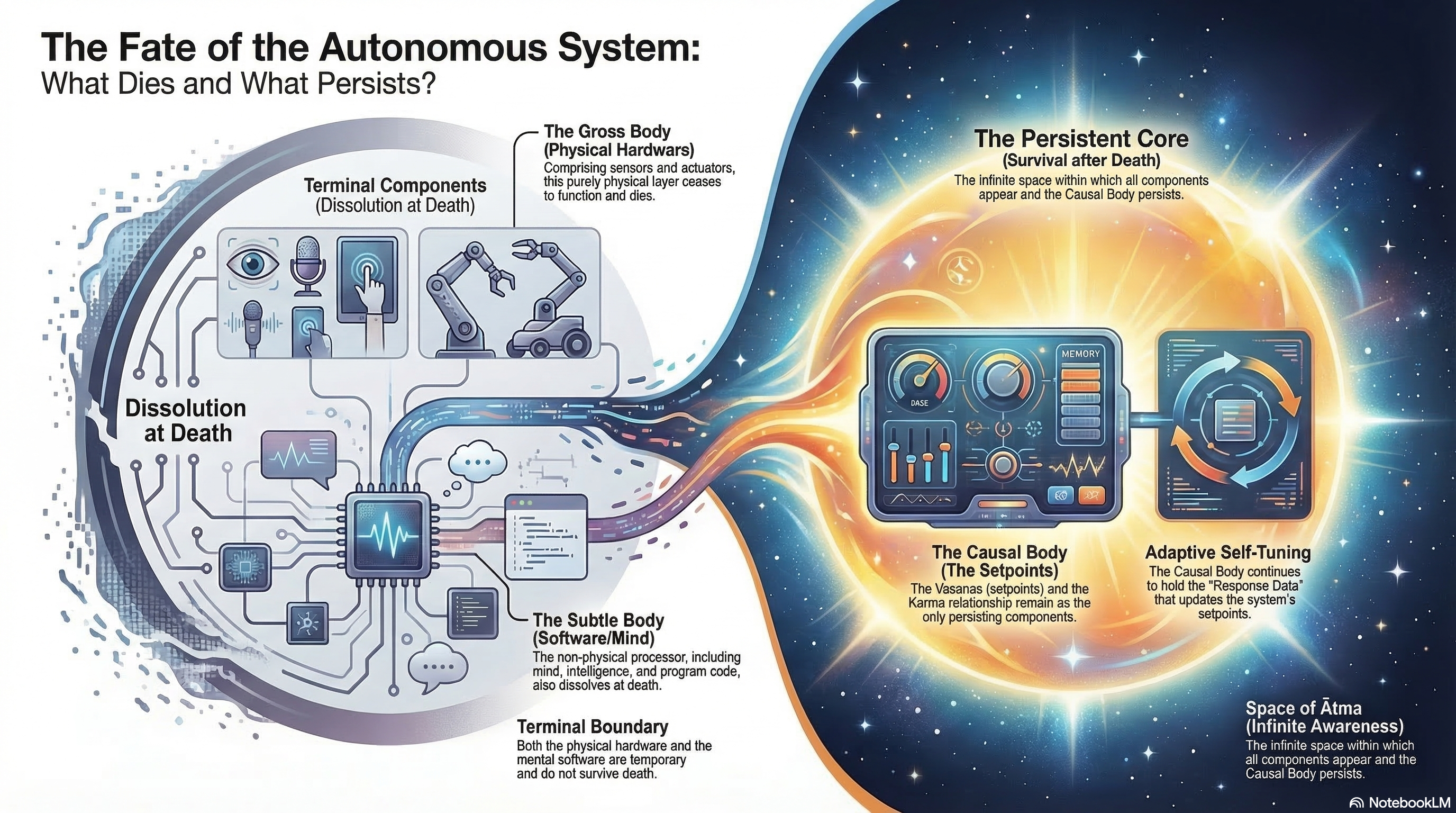
Advaita Vedanta हिंदू दर्शन के प्रमुख स्कूलों में से एक है, जिसे अक्सर अद्वितीय (Advaita का अर्थ “दो नहीं” या “अद्वितीयता”) के रूप में वर्णित किया जाता है। यह प्राचीन उपनिषदों (वेदों का हिस्सा) में निहित है, जिसे मुख्य रूप से 8वीं सदी के दार्शनिक और शिक्षक आदि शंकर (जिन्हें शंकराचार्य भी कहा जाता है) द्वारा प्रणालीबद्ध किया गया, और बाद के विचारकों द्वारा और अधिक स्पष्ट किया गया।
अपने मूल में, अद्वैता वेदांत सिखाता है कि केवल एक अंतिम वास्तविकता है: ब्रह्मन, जो अनंत, अपरिवर्तनीय, और शुद्ध चेतना है, जो गुण, रूप, समय और स्थान से परे है। ब्रह्मन को सत-चित-आनंद के रूप में वर्णित किया गया है — अस्तित्व (sat), चेतना (chit), और आनंद (ananda) — और यह एकमात्र सत्य है। प्रमुख अवधारणाएं शामिल हैं:
– ब्रह्मन ही असली है (ब्रह्म सत्य है).
– बहुविधि, वस्तुओं और अनुभवों की अद्भुत दुनिया वास्तविक लगती है लेकिन वास्तव में यह एक भ्रांति या आभास (जगत मिथ्या) है, जिसे अक्सर माया के माध्यम से समझाया जाता है — वह भ्रांति की शक्ति जो वास्तविकता की सच्ची प्रकृति को छुपाती है और प्रतीत होने वाली विविधता को प्रक्षिप्त करती है।
– व्यक्तिगत आत्मा या आत्मा (जिवात्मन या आत्मन) ब्रह्म से अलग नहीं है; प्रतीत होने वाला विभाजन अज्ञान (अविद्या) के कारण उत्पन्न होता है। प्रसिद्ध उद्घोषणा “तत् त्वम् असि” (“तुम वही हो”) चांडोग्य उपनिषद से है, जो महावाक्य (महान कथन) में से एक है जो आत्मन और ब्रह्म के बीच की पहचान की पुष्टि करता है।
सच्ची मुक्ति (मोक्ष) सीधे ज्ञान (ज्ञान) के माध्यम से आती है जो अज्ञानता को दूर करती है, यह realizing “मैं ब्रह्म हूं” (अहं ब्रह्मास्मि) के साथ आती है। यह जीवानुक्ती — शरीर में रहते हुए स्वतंत्रता तक ले जा सकता है।
एक प्रसिद्ध सारांश जिसे अक्सर शंकराचार्य से जोड़ा जाता है: “ब्रह्म सत्यं जगत मिथ्या, जीवो ब्रह्मैव न परः” (ब्रह्म वास्तविक है; जगत मिथ्या है; individual आत्मा और कुछ नहीं बल्कि ब्रह्म है।)
यह अद्वितीय दृष्टिकोण अलगाव के भ्रम को समाप्त करने का लक्ष्य रखता है, जो सीमित अहं, शरीर या मन के साथ पहचान में निहित दुख को खत्म करता है। यह ज्ञान कुछ महत्वपूर्ण आचार्यों से प्रभावित हैं जिनके बारे मैं और विस्तार मैं इन लिंक्स से जाना जा सकता है
Nisargdatta Maharaj Jaggi Vasudev Acharya Prashant Ramana Maharishi Jiddu Krishnamurti
Disclaimer: This introduction represents my personal reading and understanding of Advaita Vedanta, drawn from widely available interpretations of traditional sources like the Upanishads, Shankara’s commentaries, and later Advaita texts. It is shared purely for reflection, knowledge sharing, and informational purposes. All claims, facts, and interpretations presented here should be independently verified by consulting primary scriptures, authentic commentaries (such as those by Adi Shankara), or qualified teachers, as philosophical understandings can vary across traditions and lineages. This is not authoritative teaching or substitute for direct study under guidance.
अस्वीकृति: यह परिचय अद्वैत वेदांत की मेरी व्यक्तिगत पढ़ाई और समझ का प्रतिनिधित्व करता है, जो उपनिषदों, शंकर के टिप्पणियों और बाद के अद्वैत ग्रंथों जैसे पारंपरिक स्रोतों की व्यापक रूप से उपलब्ध व्याख्याओं से लिया गया है। इसे केवल चिंतन, ज्ञान साझा करने और सूचना के उद्देश्यों के लिए साझा किया गया है। यहां प्रस्तुत सभी दावे, तथ्यों और व्याख्याओं की स्वतंत्र रूप से सत्यापन करना चाहिए, प्राथमिक शास्त्रों, प्रामाणिक टिप्पणियों (जैसे आदि शंकर के द्वारा) या योग्य अध्यापकों से परामर्श करके, क्योंकि दार्शनिक समझ विभिन्न परंपराओं और वंशों में भिन्न हो सकती है। यह प्रत्यक्ष मार्गदर्शन के तहत अध्ययन के लिए प्राधिकृत शिक्षण या विकल्प नहीं है।
Om Tat Sat. 🙏



 Advaita Vedanta Darshan